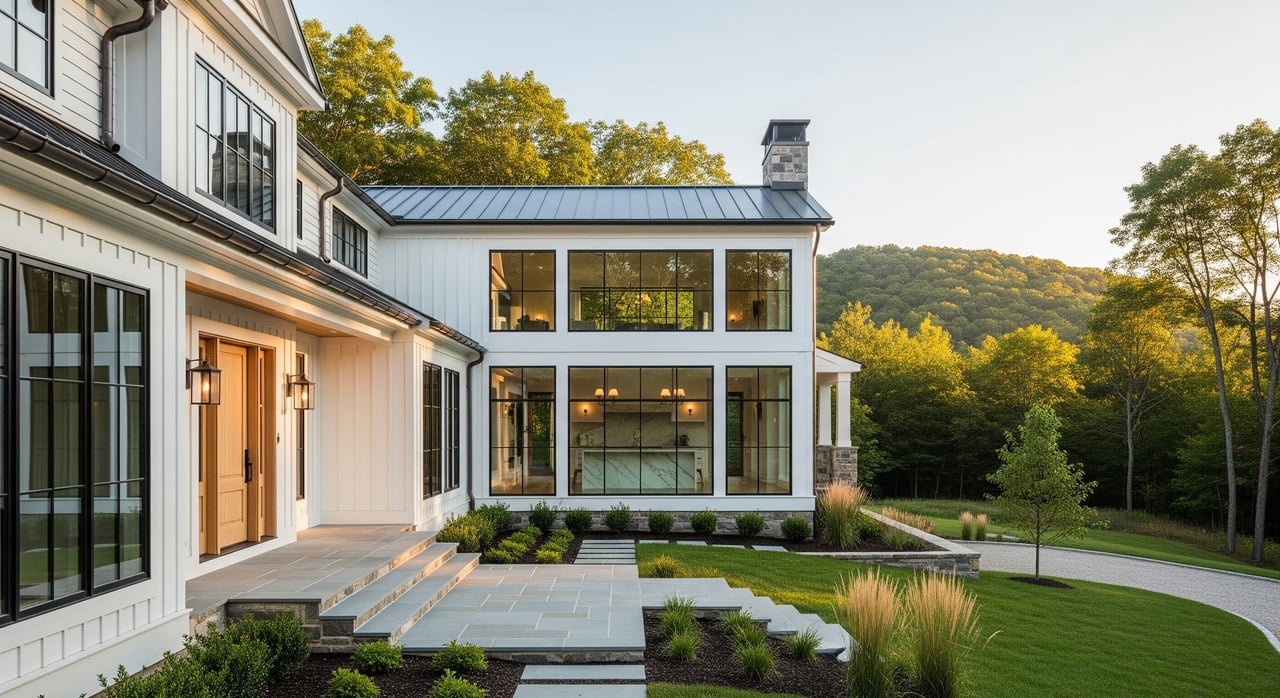
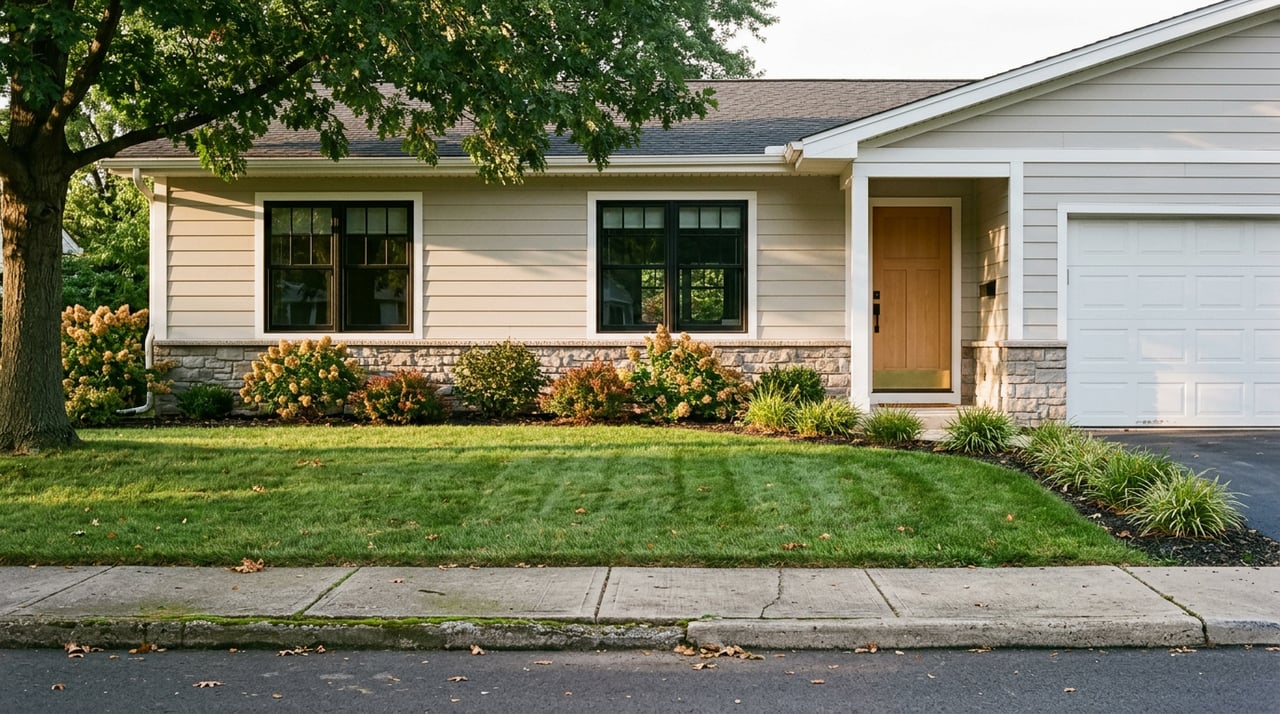
Should you buy a brand‑new home or a resale in East Fishkill? It is a common question, especially when you want the right space and a clear path to closing. You want a home that fits your budget, timing, and lifestyle without unexpected surprises. In this guide, you will compare timelines, costs, warranties, energy use, and negotiation strategies so you can choose with confidence in 12533. Let’s dive in.
Quick way to choose
If you need to move in soon, a resale usually gets you there faster. If you want modern systems and customization, new construction can deliver, but it often takes longer. Your best decision balances today’s price with long‑term operating costs, your timeline, and your tolerance for the building process.
Timeline: how fast can you move?
Resale speed
Most resale purchases close in about 30 to 60 days once your financing is ready and inspections and appraisal are complete. If the seller needs time to find a replacement home or resolve contingencies, it can take longer. Your biggest schedule drivers are inspections, appraisal, and mortgage underwriting.
New construction timing
- Production builders: Many contracts run 6 to 12 months from signing to completion. Some builders have move‑in ready or near‑complete spec homes that can close in 30 to 90 days.
- Semi‑custom or custom: Expect roughly 9 to 18 months or more, depending on permitting, site work, weather, and subcontractor scheduling.
Local factors that add time
In East Fishkill, new builds move at the pace of permits, inspections, and site work. Lot preparation, utilities or septic, and municipal inspections can add weeks. Supply chain issues or subcontractor availability can also shift schedules.
Cost and financing: price today vs. total cost
Upfront price vs. long‑term cost
- Resale: The price reflects local comps and the home’s condition. Mature lots often have finished driveways and landscaping. You may need to budget for near‑term repairs or updates.
- New construction: The base price may not include certain upgrades or lot premiums. Incentives can reduce closing costs or include upgrades. Your final cost depends on the options you choose.
Financing differences
- Resale: Most buyers use a conventional, FHA, or VA mortgage with a standard appraisal based on local comparable sales.
- New construction: For custom or semi‑custom builds, you may use a construction or construction‑to‑permanent loan. Some builders work with preferred lenders who can streamline approvals, but you should still compare terms.
Taxes and insurance
Dutchess County property taxes can be a significant budget line. New homes are typically assessed after completion, and assessment timing varies by municipality. You should contact the county’s real property tax service to estimate the tax impact for a specific parcel. Insurance premiums may be different for new vs. older homes based on materials and location. New builds may also have hookup or impact fees.
Negotiation power: where leverage tends to lie
Resale negotiation
You can often negotiate based on days on market, inspection findings, and seller motivation. Common outcomes include price reductions, seller credits, or agreed repairs. Your leverage increases when the market has more inventory and the seller is ready to move.
New construction negotiation
Builders are typically less flexible on base price in strong markets. Your best levers are closing cost help, upgrade credits, mortgage rate buydowns, or timing incentives. If a builder carries inventory or wants to finish a community phase, offers can be more generous.
Warranties, inspections, and risk
What builder warranties usually cover
- Workmanship and materials: Often 1 year for items like finishes and basic defects.
- Major systems: Many builders offer around 2 years on electrical, plumbing, and HVAC.
- Structure: Structural coverage can run up to 10 years for load‑bearing elements. Terms and scope vary, so review the written warranty.
Inspections: do not skip them
- Resale: A full home inspection is standard. Consider specialty inspections such as septic or well, chimney, roof, radon, or wood‑destroying insects, especially in older homes.
- New build: Independent inspections are still smart. Staged checks at foundation, framing, pre‑drywall, and final walk‑through can catch issues early. Municipal inspections do not replace your own inspector.
Title, permits, and roads
For new subdivisions, confirm utility easements, road dedication, and who maintains the road if it is private. For resales, review title, any recorded easements, and check for open permits or municipal violations.
Energy efficiency and maintenance
New York code and modern standards
New homes in New York must meet the state energy code. Many builders target higher performance with features like tighter air sealing, quality insulation, and efficient HVAC. Some pursue programs such as Energy Star Certified Homes or other advanced standards. These upgrades can help lower utility costs and improve comfort.
New vs. resale over time
- New construction: You benefit from new roofs, new systems, and efficient appliances early on. Long‑term performance still depends on material quality and proper installation.
- Resale: Operating costs can vary with age and past maintenance. Many older homes run well but may need updates like insulation, HVAC, or roofing. Inspections help you budget for near‑term capital items.
Resilience and future‑proofing
It is easier to design a new build for features like EV charging, smart wiring, or ducted heat pumps during construction. Retrofitting an existing home is often feasible but can add cost.
East Fishkill specifics: permits, utilities, HOAs
- Permits and inspections: The Town of East Fishkill manages building permits and inspections. For new construction, confirm permit status, required inspections, and whether the property uses municipal water/sewer or well/septic.
- Utilities and roads: Verify whether roads are municipal or private. Private roads can mean HOA responsibility for maintenance.
- HOAs: Many newer subdivisions include HOAs with rules on exteriors and use. Review fees, budgets, and rules before you commit.
- Schools and boundaries: School district lines can affect demand and taxes. Always verify which district serves a specific address.
Customization and lifestyle fit
Where new construction shines
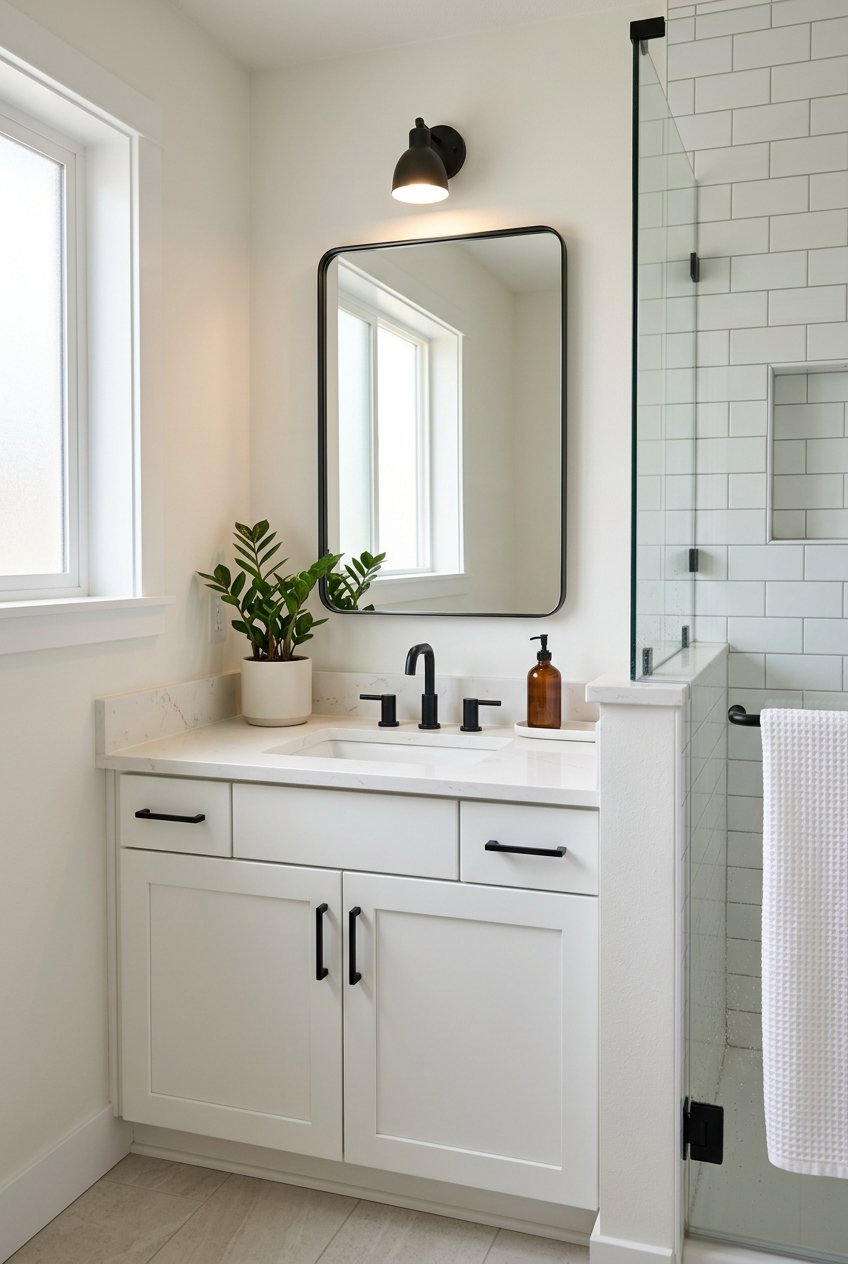
If you want a floor plan tailored to your routine, integrated home office space, or modern kitchens and baths, new construction gives you control. You choose finishes and systems upfront. That said, upgrades and change orders add cost.
When resale fits best
If you value mature trees, established neighborhoods, and faster move‑in timing, resale has advantages. You can invest in targeted updates after closing if needed. A thorough inspection gives you a roadmap for improvements.
A practical comparison checklist
Resale due diligence
- Age and condition of roof, siding, windows, HVAC, plumbing, and electrical
- Full inspection report and estimates for any repairs
- Survey and title, plus any easements or encroachments
- Septic and well testing, if applicable; floodplain status
- Local comps, days on market, and seller disclosures
- School district and confirmed property tax history
New construction due diligence
- Builder reputation, references, and portfolio
- Written warranty documents and any third‑party warranty enrollment
- Timeline expectations and policies on delays or change orders
- Selections calendar, upgrade allowances, and pricing for changes
- Energy performance details: insulation R‑values, HVAC efficiency, air sealing, HERS rating, and ventilation
- Permitting status, municipal hookup fees, road dedication, and HOA documents
- Financing options, including construction‑to‑permanent loans and appraisal approach
Compare total cost over 5–10 years
Do a side‑by‑side cash‑flow view so you see the real difference over time. Include:
- Mortgage payments and expected interest rate
- Property taxes, with a realistic estimate for new‑build assessment timing
- Homeowners insurance
- Utilities, based on builder specs or inspection estimates
- Expected maintenance and capital items, such as a roof, HVAC, or exterior paint
This 5 to 10 year picture often clarifies whether a higher upfront price on a new build pays off through lower operating and maintenance costs, or whether a lower purchase price on a resale remains the better value after updates.
When each option makes sense
New construction may be right for you if
- You want modern systems, energy performance, and smart‑home readiness
- You have flexibility for a 6 to 12 month timeline, or you find a suitable spec home
- You value customization and warranty coverage for initial years
A resale may be right for you if
- You need to move within roughly 30 to 60 days
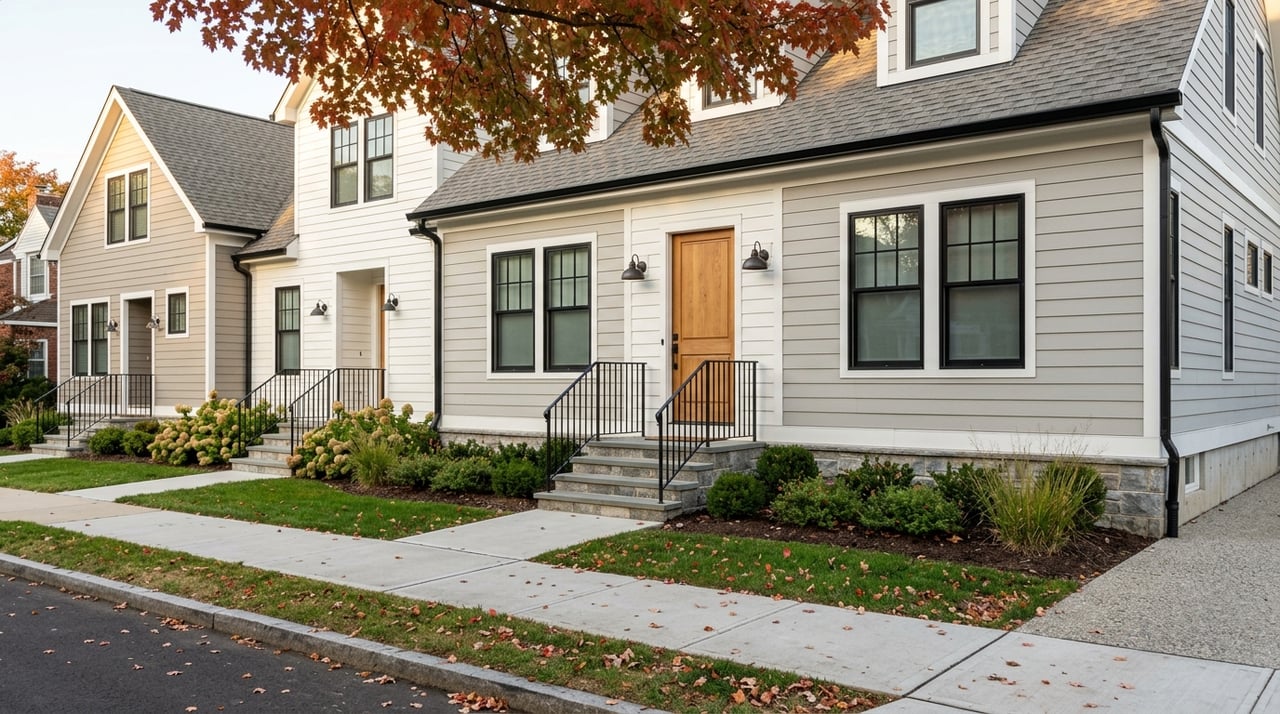
- You prefer an established neighborhood and mature landscaping
- You want price flexibility and the ability to negotiate repairs or credits
Next steps for East Fishkill buyers
- Talk with the Town of East Fishkill building department about permits and inspections for any address you are considering.
- Call the Dutchess County real property tax office to understand assessments and estimated taxes for new vs. existing homes.
- Meet at least two builders and request written specs, timelines, and warranty details. Ask for recent buyer references.
- For any resale, schedule a full inspection plus needed specialty inspections. For any new build, plan staged inspections.
- Build a 5 to 10 year cost comparison that reflects your financing, utility estimates, and likely maintenance.
How I can help
You deserve a clear, low‑stress experience as you compare new construction and resale in 12533. With decades of local experience across Dutchess County and a concierge approach to transaction management, I help you evaluate neighborhoods, timelines, and total costs, then coordinate inspections, permits, and closing details so your plan stays on track. If you are relocating, downsizing, or buying your next home, you will get steady communication and practical guidance every step of the way.
Ready to compare real options in East Fishkill? Reach out to schedule a planning call with Debra Allan. We will map your timeline, budget, and wish list to the right path forward.
FAQs
What is the typical timeline to close for a resale home in East Fishkill?
- Most resale transactions close in about 30 to 60 days if financing, inspections, and appraisal stay on schedule.
How long does new construction usually take in 12533?
- Production builds commonly take 6 to 12 months from contract to completion, while custom or semi‑custom projects often run 9 to 18 months or more.
Can I negotiate price on a new home from a builder?
- Yes, but leverage is often in incentives such as closing cost help, upgrade credits, mortgage rate buydowns, or timing, rather than base price.
Do I still need inspections for a brand‑new home?
- Yes. Independent inspections at key stages, plus a final walk‑through, help catch issues early even when a builder provides warranty coverage.
How are property taxes handled for new construction in Dutchess County?
- New homes are typically assessed after completion, and timing varies by municipality, so you should confirm parcel‑specific details with the county.
Are new homes automatically more energy efficient than older homes?
- Generally yes, due to modern energy codes and systems, though performance varies by builder and specification; ask for documented performance metrics.