Downsizing In Dutchess County: Housing Options To Explore
February 5, 2026
February 5, 2026
Thinking about trading your big Dutchess County home for something easier to manage? You are not alone. Many long-time homeowners want less upkeep, more convenience, and the right mix of comfort and community. This guide walks you through the housing options that work well for downsizers in Dutchess County, what to consider for accessibility and costs, and where to find trusted local resources. You will leave with clear next steps that fit your lifestyle and budget. Let’s dive in.
Your perfect next home starts with your day-to-day. Think about how you live, where you go, and how much maintenance you want to take on. Aligning your needs with the right housing type will save time and stress.
Downsizing often reduces costs, but the savings depend on the full picture. Compare property taxes, insurance, HOA or condo fees, utilities, and expected maintenance. If you are looking near the Hudson or along streams, add potential flood insurance to your comparison. You can check flood zones through the FEMA Flood Map Service Center.
Dutchess County offers a wide range of lower-maintenance homes, from small single-family houses to 55-plus communities. The right choice depends on the balance of privacy, maintenance, accessibility, and community.
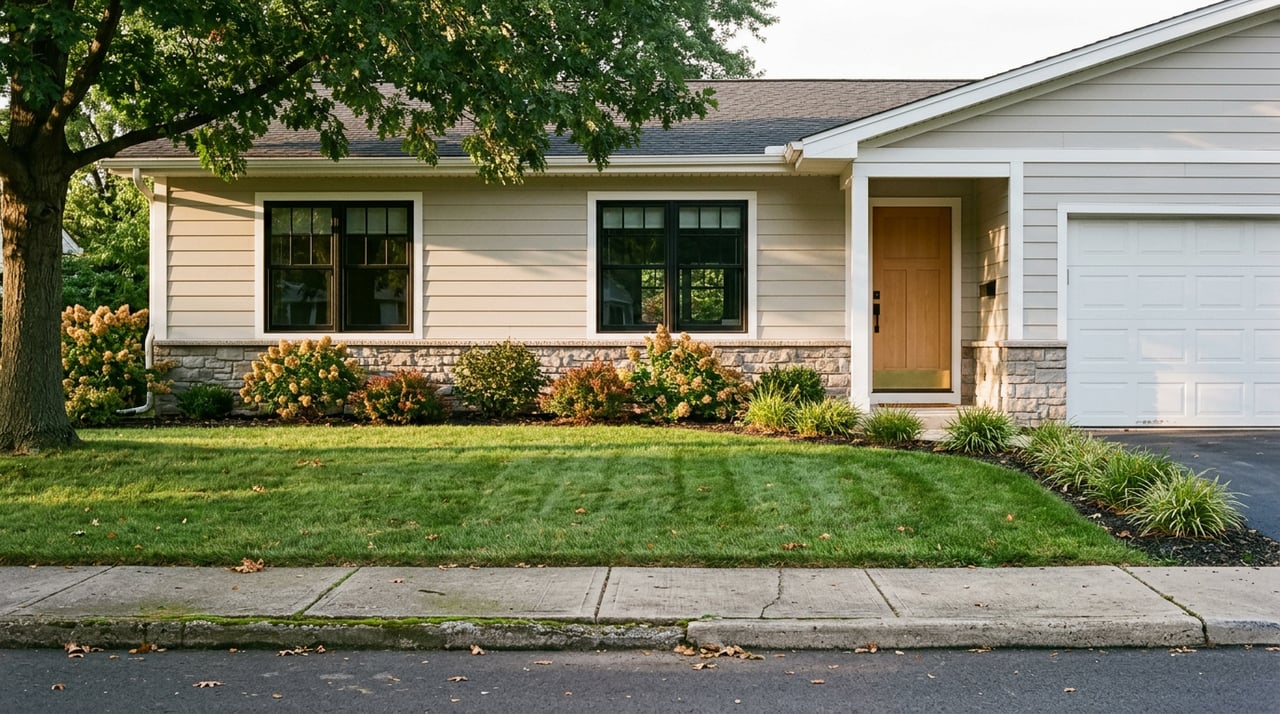
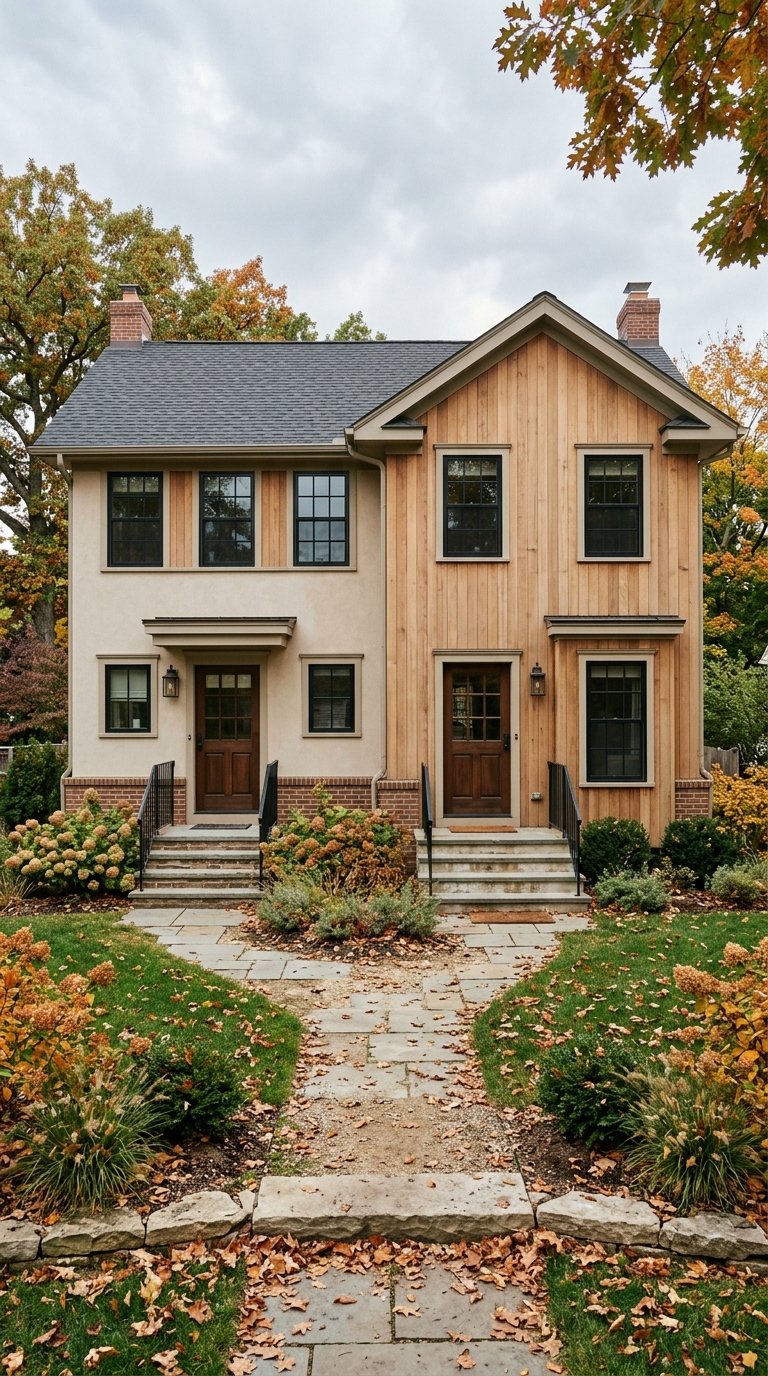
Smaller ranches, bungalows, and cottages are popular with downsizers who want privacy. Many ranch-style homes offer single-level living, which helps with accessibility. You keep control over your property and layout, and you may have a yard or garage.
The tradeoff is responsibility. You handle exterior maintenance, utilities, and property taxes. Snow removal and landscaping can feel like a lot, especially in winter.
Condos simplify exterior upkeep and often include shared amenities. Elevators, common areas, and walkable locations are common draws. Many buildings near village centers or train stations appeal to people who want transit and local shopping.
Be sure to review HOA fees, rules, and reserves. Special assessments can occur, and resale value is tied to association health and management quality.
Townhomes offer a middle ground between a house and a condo. You usually get more living space and sometimes a small yard. Many communities handle exterior maintenance, which lightens your to-do list.
Consider stairs and accessibility. If you need main-level living or an elevator, verify that before you tour.
Age-restricted communities can be a great fit if you want convenience, social programming, and low-maintenance living. Many offer single-level floor plans and options like lawn care or snow removal built into the fees.
Expect community rules, entrance or association fees, and a more limited resale pool because of age restrictions. Weigh the services and programming against the ongoing costs.
Continuing Care Retirement Communities, assisted living, and memory care provide a range of support on one campus. If you are planning ahead for long-term needs, a CCRC can offer peace of mind.
Costs and contracts vary. Review whether the community is an entrance-fee or rental model and understand refund policies. You can explore licensed facilities and regulations through the New York State Department of Health.
An accessory dwelling unit can let you age in place while creating space for a caregiver or generating rental income. Rules vary by town, so confirm zoning and permits through your local municipality.
Building or converting space has costs, and approvals can take time. Weigh those factors against the benefits of staying in a familiar location.
Where you choose in Dutchess County affects convenience, costs, and resale. Focus on the features you will use the most.
If you want quick trips to New York City, proximity to Metro-North stations like Poughkeepsie, Beacon, and Wassaic is a plus. Timetables and station details are available on the MTA Metro-North site. Homes and condos near stations often command a premium and can be easier to resell.
Walkability to shops, pharmacies, and medical offices adds daily convenience. Access to regional hospitals like Vassar Brothers Medical Center in Poughkeepsie and Northern Dutchess Hospital in Rhinebeck can also be a consideration.
Hudson River towns are prized for scenery and village amenities. Some properties near the river or along smaller waterways may sit in FEMA-designated flood zones. That can affect insurance requirements and costs. Always verify risk through the FEMA Flood Map Service Center before you write an offer.
Northern and western areas of the county can provide more space at lower purchase prices. The tradeoff is more upkeep, more driving, and fewer walkable amenities. If you want a single-level home on a larger lot, these areas can be a good fit if you plan for maintenance and transportation.
If you want to age in place comfortably, look for features that make daily life easier today and tomorrow.
Universal design benefits everyone and can help resale. When searching online, filter for terms like “first-floor primary,” “ranch,” or “zero-step entry.” AARP offers practical home-fit guidance and checklists in the AARP housing resources.
Resale value in Dutchess County is influenced by commuting convenience, walkability, access to care, and neighborhood demand. Proximity to stations and village centers can support value. So can strong association management for condos and townhomes.
If you are considering a community with an HOA, review the financials, rules, and recent assessments. Look at the condition of common areas and ask about reserves for major repairs. School district boundaries often influence values, even if school services are not a personal priority for you. Keep your review factual and objective.
For accurate tax context and exemptions, consult the county’s resources. The Dutchess County Real Property Tax Service Agency can help you understand assessments, exemptions, and how local rates vary by town and school district.
Your timeline, cash flow, and risk tolerance will shape your path. Plan your financing and sale strategy early so you can move confidently when the right home appears.
Market conditions vary by town and price point. Ask for current local comps and inventory before you choose your timing.
You can downsize with a conventional mortgage or FHA financing, depending on your situation. If you plan to buy before you sell, a bridge loan or HELOC may be an option.
If you are 62 or older, a reverse mortgage, known as a HECM, can offer flexibility. It has specific requirements, fees, and counseling standards. Learn the basics and find HUD-approved counselors through HUD’s official site.
Understand potential capital gains on your sale and the federal primary residence exclusion. Local transfer taxes and property taxes vary by municipality and school district. For county-level questions and senior exemptions, visit the Dutchess County Office for the Aging and Real Property Tax Service resources, and consult your tax professional for personal guidance.
Use this simple checklist to stay organized from decision to closing.
Trusted resources can simplify each step. Start with county programs, transit information, and credible housing guidance.
Ready to talk through your options and map out a smooth plan? As a locally rooted Associate Real Estate Broker licensed since 1994, with SRES and CRS credentials and award-winning Berkshire Hathaway HomeServices marketing, I can help you compare communities, price your sale, and coordinate the move. Reach out to Debra Allan to request a free home valuation and start your downsizing plan with confidence.

I am ready to work with you to help you sell or buy a home! So whether you are a first time buyer, relocation buyer, investor, moving up or downsizing...I am ready to roll up my sleeves to go to work for you! Make your next move with Debbie Allan!