Are you wondering what HOA dues really cover in LaGrangeville? If you are comparing a condo or townhouse to a single-family home, the line between convenience and cost can feel fuzzy. You want clarity before you commit. In this guide, you will learn how HOAs work in New York, what your fees typically fund, which documents to review, common rules to expect, and how to weigh HOA living against a non-HOA home in Dutchess County. Let’s dive in.
HOA basics in LaGrangeville
In the Hudson Valley, most associations you will encounter are condominiums or planned townhouse communities. An HOA manages shared property, enforces rules, and collects dues to fund operations. It runs on a set of documents: a declaration or CC&Rs, bylaws, and rules and regulations.
In New York, condos and co-ops must follow state law and, for new developments, provide an offering plan to buyers. Existing associations operate under their recorded documents, which spell out assessments, voting, and enforcement. Town and county rules still apply; an HOA does not replace local zoning or permitting.
Most communities are governed by a volunteer board elected by owners. Many hire a professional management company for day-to-day tasks. Board meetings are where budgets, assessments, and policies are decided, and owners have voting rights defined by the governing documents.
What your HOA fees cover
Your monthly, quarterly, or annual dues fund the association’s operating budget and reserves. Exact coverage varies by community type and amenities, but most LaGrangeville and Dutchess County HOAs include some or all of the following:
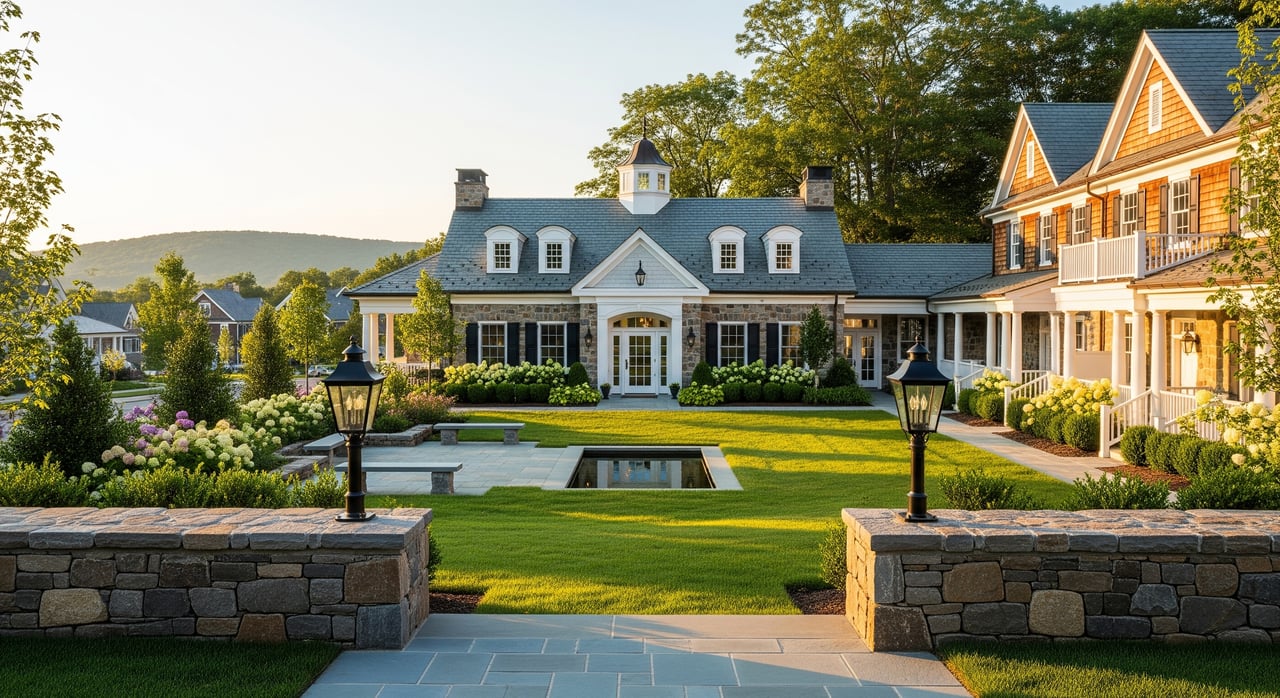
- Maintenance of common areas: Landscaping, playgrounds, pathways, parking lots, and for condos, exterior building care.
- Common utilities: Exterior lighting, irrigation, elevators in multi-story buildings, and sometimes water or sewer in specific setups.
- Insurance for common property: Property and liability coverage for shared spaces and structures, plus director and officer liability. Unit interiors usually need separate policies.
- Snow and winter services: Plowing, salting, and winter upkeep are recurring and can spike costs in heavy seasons.
- Contract services: Property management, lawn care, trash removal, pool and clubhouse operations.
- Professional services: Accounting, legal, and engineering inspections.
- Administrative costs: Bookkeeping, mailings, software, and communications.
- Reserve contributions: Savings for big-ticket repairs such as roofing, siding, paving, and common HVAC systems.
Fees vary widely between communities. The strongest predictors are the scope of shared services and amenities, the age and condition of buildings, and whether reserves are adequately funded.
Local cost drivers to watch
LaGrangeville and surrounding Dutchess and Putnam County communities have some cost patterns buyers should note:
- Climate: Snow removal and winter maintenance are significant annual costs.
- Age of development: Older buildings and conversions often require higher reserve contributions for structural repairs.
- Building type: Elevator buildings and dense multi-story condos have higher shared utility and maintenance needs than low-density townhomes.
- Amenities: Pools, clubhouses, and gated entries add lifestyle value and operating costs.
- Vendor market: Contractor availability in less dense areas can increase per-unit pricing for services.
Why reserves and assessments matter
Healthy reserves stabilize dues and reduce the chance of surprise costs. Associations should periodically complete a reserve study that estimates the remaining life of major components and the recommended annual savings. When reserves fall short or unexpected issues arise, boards may levy special assessments to cover the gap.
As a buyer, look for a current reserve study, the actual reserve balance, and a track record of steady contributions. A community that funds reserves consistently is often better positioned to manage roof replacements, paving, and other inevitable projects without jolting owners with large one-time assessments.
Documents to review before you buy
Request these items early in your process, ideally as a contract contingency. They reveal financial health, coming projects, and rules that could affect your day-to-day life.
- Current budget and year-to-date financials
- Most recent reserve study and reserve fund balance
- Board meeting minutes for the past 12 to 24 months
- Declaration or CC&Rs, bylaws, and rules and regulations
- Insurance declarations for the master policy, including deductibles
- Delinquency report and owner roster if available
- Planned or pending special assessments and recent assessment history
- Management and major vendor contracts
- Any active or pending litigation
- Offering plan for new or newly converted condos
When you read these, focus on a few key areas:
- Reserves and deferred maintenance: Are contributions in line with recommendations? Are major projects looming without funding?
- Insurance scope and deductibles: Very high deductibles can mean larger out-of-pocket costs after a loss.
- Assessment history: Frequent or surprise assessments can signal risk.
- Rules you care about: Pets, rentals, parking, and exterior changes. Confirm both the rule and how it is enforced.
- Litigation and disputes: Claims against the association or construction defect cases can bring financial uncertainty.
- Delinquencies: High nonpayment rates stress the budget and may lead to fee increases or service cuts.
If documents raise complex questions, consult a New York real estate attorney who regularly handles condo and HOA matters.
Rules and enforcement to expect
Most associations have rules to protect property and maintain community standards. Common areas include:
- Exterior appearance and architectural control
- Pet ownership, size, number, and leash rules
- Parking for owners, guests, and contractors
- Rental limits or lease requirements
- Noise, nuisance, and quiet hours
- Trash and recycling logistics
- Home-based business restrictions
Boards typically use a graduated approach to enforcement. That may include warnings, fines, suspension of amenities, and, for unpaid assessments, liens. Review recent board minutes to understand how rules are applied in practice and the tone of governance.
HOA vs. non-HOA in Dutchess County
Many buyers choose an HOA for ease and lifestyle. Others prefer the control of single-family ownership. Your best choice depends on how you live, your budget, and what you value most.
Benefits you may appreciate in an HOA:
- Predictable exterior care and less personal upkeep
- Amenities such as a pool, clubhouse, or trails
- Consistent neighborhood standards
- A convenient lock-and-leave setup for busy or traveling owners
Potential downsides to weigh:
- Ongoing dues that can rise over time
- Risk of special assessments when reserves fall short
- Limits on pets, rentals, parking, and exterior changes
- The quality of governance and management can vary by community
How to compare total monthly cost
To compare a LaGrangeville townhouse or condo with a single-family home, build an apples-to-apples monthly budget. Consider:
- Mortgage principal and interest
- Property taxes
- HOA dues
- Unit insurance needs for condos or townhomes
- Utilities that are included in dues versus paid by you directly
- Out-of-pocket maintenance you still carry, such as interior repairs
Then compare that total to a non-HOA home where you fund all exterior maintenance yourself. Ask for recent invoices for roof, paving, or siding projects in the community. This gives you a sense of the real costs an HOA absorbs on your behalf.
Smart buyer checklist for LaGrangeville
Use this quick list as you shop and write offers:
- Ask for and review the budget, reserves, last 12 to 24 months of minutes, insurance declarations, CC&Rs, bylaws, contracts, litigation disclosures, and delinquency data.
- Confirm pet rules, rental caps, parking policies, and the architectural approval process.
- Ask the seller about special assessments over the last several years and any planned projects.
- Request contact information for the management company and confirm typical response times and service standards.
- Include an HOA document review contingency when possible.
- Compare all-in monthly costs to similar non-HOA options nearby.
Local context: commute and lifestyle
In Dutchess County, location often drives the decision. Communities near Poughkeepsie, nearby Metro-North access points, and major corridors like I-84 can save commute time. Many buyers accept dues in exchange for less maintenance and more convenience. If you want amenities or a turn-key lifestyle, a well-run HOA can fit well. If you want maximum control over exterior changes or pet and parking flexibility, a single-family home may be the better path.
How a trusted local guide helps
Every HOA is different. The right advisor will help you compare communities, request the right documents, and spot red flags before you commit. With decades of experience in Dutchess County and a concierge approach to transactions, you can move forward with confidence.
If you are weighing HOA versus non-HOA living in LaGrangeville, reach out for a conversation. I can help you identify communities that fit your budget and lifestyle, request the right materials, and coordinate with your attorney and inspector to protect your interests.
Ready to explore your options or plan a move? Connect with Debra Allan for local guidance that puts your goals first.
FAQs
What do LaGrangeville HOA fees usually include?
- Most dues fund common area maintenance, shared utilities, insurance for common property, management and professional services, snow removal, and reserve savings for major repairs.
How can I tell if an HOA has strong reserves?
- Review the latest reserve study, check the reserve balance, and look for steady annual contributions paired with a clear plan for big-ticket projects like roofs and paving.
What is a special assessment in a condo or townhouse?
- It is a one-time charge to owners that covers unexpected costs or projects when the reserve fund is insufficient.
Which documents should I review before buying into an HOA?
- Ask for the current budget, year-to-date financials, reserve study, board minutes, CC&Rs, bylaws, rules, insurance declarations, delinquency report, assessment history, vendor contracts, and any litigation items.
Are short-term rentals usually allowed in Dutchess County HOAs?
- Policies vary by community; many associations restrict or regulate short-term rentals, so confirm rules and enforcement in the governing documents and minutes.
Who handles snow removal and exterior upkeep in HOAs?
- In most LaGrangeville associations the HOA contracts for snow, landscaping, and exterior work as defined in the budget and CC&Rs, while owners handle interior maintenance.
Does HOA living help resale value?
- A well-run association with solid reserves, clear rules, and useful amenities can support resale, while poor governance, high delinquencies, or frequent assessments can hurt marketability.