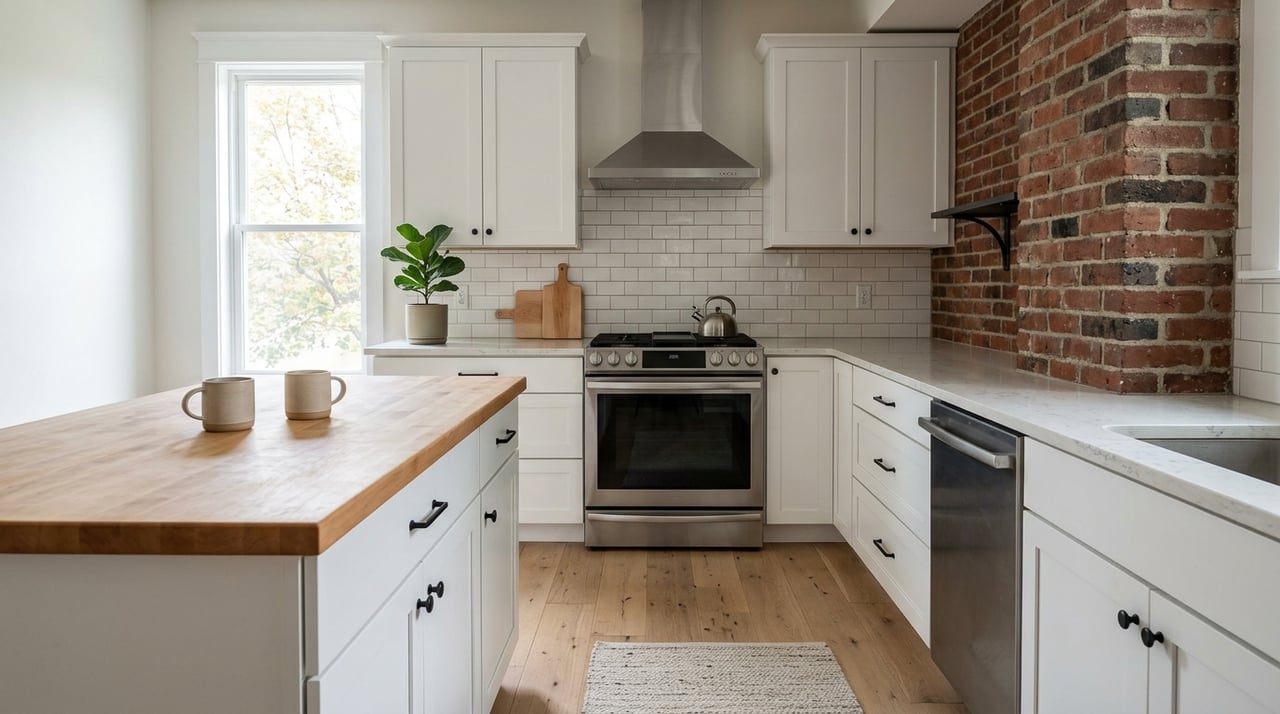
Beacon NY Home Choices: Loft, Condo, or Cottage
June 11, 2026
June 11, 2026
Wondering whether a loft, condo, or cottage is the right fit in Beacon? You are not alone. This small Hudson Valley city offers a mix of classic detached homes, adaptive-reuse loft spaces, and lower-maintenance condos, which means your best choice depends on how you want to live, what upkeep you can handle, and what costs you want to carry month to month. If you are trying to narrow your options, this guide will help you compare the tradeoffs in a practical Beacon-specific way. Let’s dive in.
Beacon has about 15,292 residents and 6,753 housing units, with a 61.1% owner-occupied rate and a median owner-occupied home value of $471,600. Single-unit structures make up 63% of the city’s housing stock, so detached homes are still the baseline here even as redevelopment has added more loft and condo choices.
That mix is not accidental. Beacon’s planning framework supports preserving established residential areas while also encouraging higher-density housing near the central business district, waterfront, and train-station area. It also supports residential development on vacant or underused former industrial sites, which helps explain why loft and condo options have become part of the local housing picture.
In Beacon, a loft often means an adaptive-reuse home in a former industrial building. State and local planning materials point to projects such as The Lofts at Beacon on Front Street, the restored factory building at 1 East Main Street, and West End Lofts, a mixed-income transit-oriented development.
That usually creates a different daily feel than a detached home. In many cases, loft living in Beacon is tied to a more walkable, downtown-oriented setting, with character and location taking priority over yard space or a traditional suburban floor plan.
If you are drawn to original architectural details, industrial character, or a location near Beacon’s core, a loft may be appealing. Many buyers like the sense of place that comes with a converted mill or factory building, especially in a city where industrial reuse is part of the local story.
A loft can also suit buyers who want less exterior upkeep than a standalone house. Depending on the property, you may get a more simplified lifestyle while still enjoying a home with personality.
Not every loft works the same way, and that is where buyers need to slow down. One of the most important questions is the ownership structure.
If the loft is part of a condominium, you may have monthly fees, common-area rules, and shared financial exposure through the association. If it is part of a rental or live/work arrangement, maintenance duties and resale flexibility may look very different.
Flood exposure is also worth checking carefully. The city notes that areas near Fishkill Creek or the Hudson River may be in a flood zone, so you should confirm flood-hazard information through FEMA’s official map source before moving forward.
In New York, a condominium means you own your individual unit and also hold an undivided interest in the common elements of the development. In plain terms, you own your interior space, but you also share responsibility for parts of the property such as the exterior, hallways, grounds, or other common areas.
That shared structure is why condo ownership usually includes mandatory monthly fees. Those fees may help cover exterior repairs, common-area maintenance, insurance, reserve funding, and sometimes services such as water, sewer, or trash.
For many buyers, the main appeal is lower direct maintenance compared with a detached house. If you want Beacon living without handling every exterior repair or landscaping task yourself, a condo can be an attractive middle ground.
This can also be a practical option for downsizers, busy professionals, or relocation buyers who want more simplicity. Instead of focusing on yard work and large exterior projects, you can focus more on the home itself and your day-to-day routine.
The biggest mistake buyers make with condos is focusing only on the unit. In reality, the building and the association matter just as much.
Lenders may review the project’s physical condition, financial stability, outstanding structural debts, lawsuits, inspections, special assessments, and whether the project is warrantable. That means a condo that looks great on the surface can still present financing or resale issues if the association is underfunded or facing major problems.
Before you commit to a condo in Beacon, ask for key documents and read them carefully. Important items include:
A well-managed association can support long-term value. Weak reserves or looming assessments can raise your carrying costs and limit buyer demand later.
If your picture of home includes a standalone house, a yard, and a little more separation from neighbors, Beacon has that too. The city’s planning documents describe the neighborhoods north, south, and east of Main Street as areas shaped by medium-density single-family homes on separate lots.
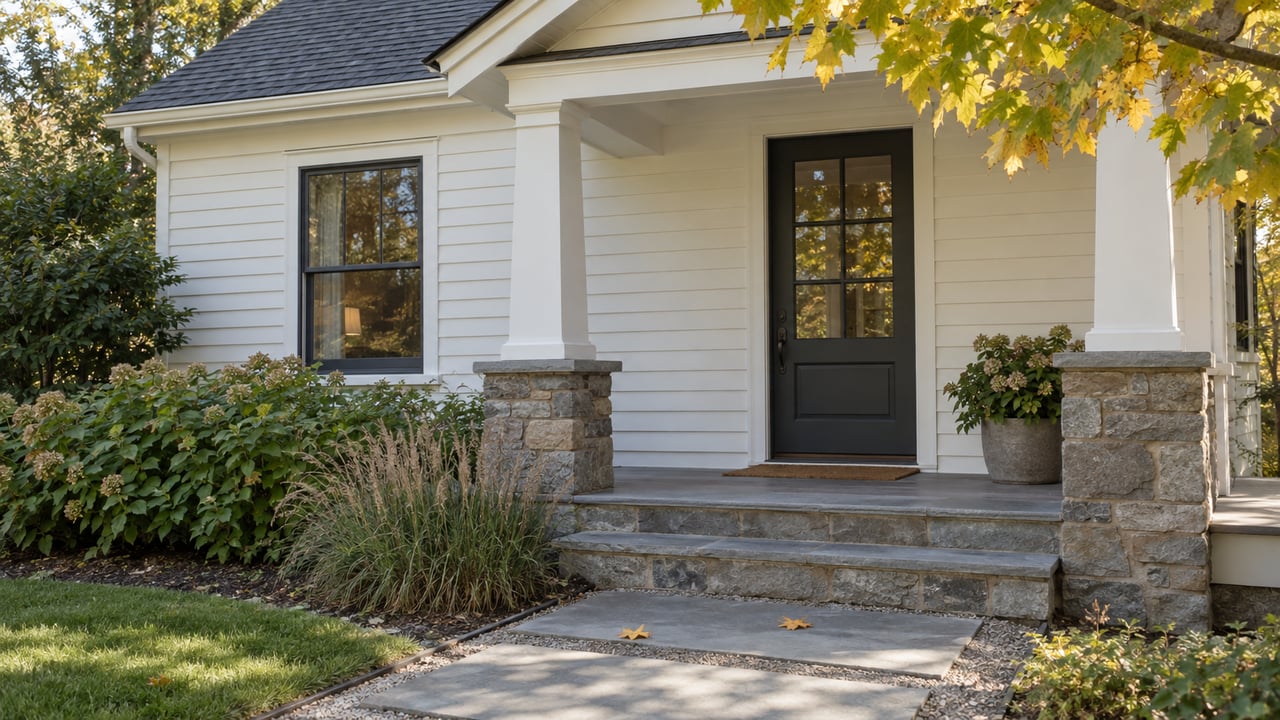
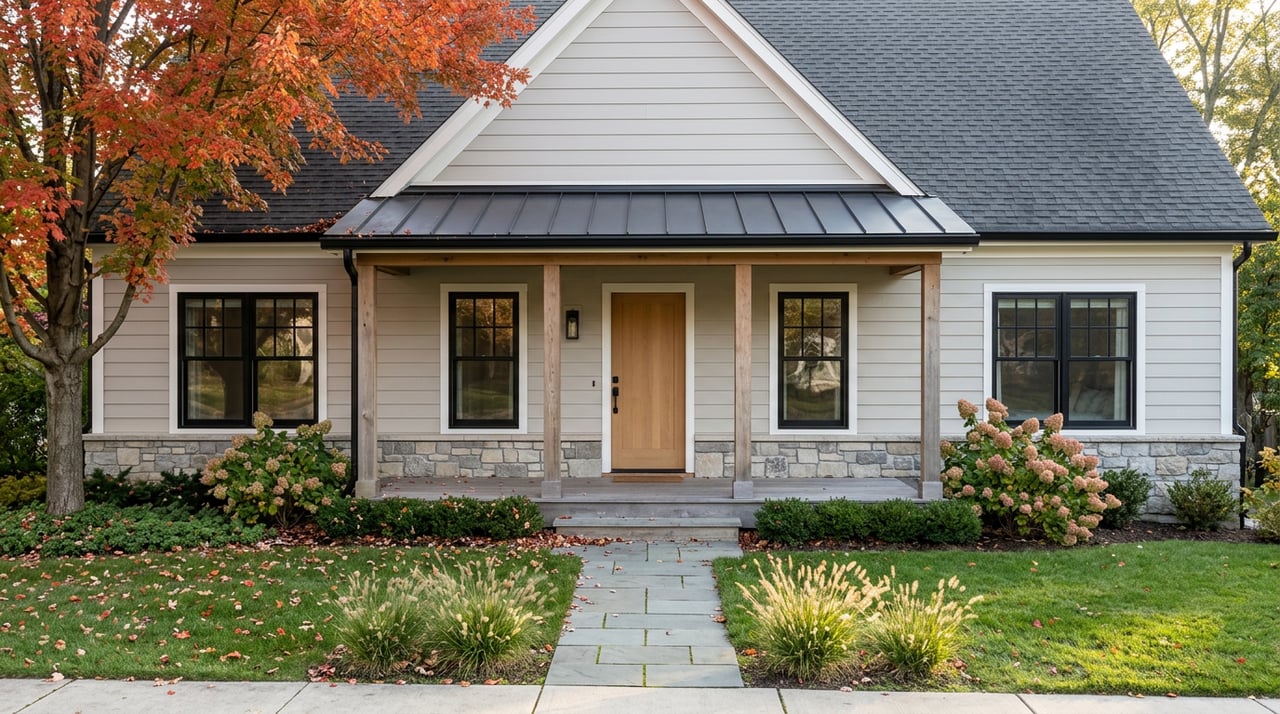
That pattern remains an important part of Beacon’s housing identity. For buyers looking for a cottage-like property or a more traditional detached home, this is the side of Beacon that often feels most familiar.
The biggest advantage is control. A detached home usually gives you more privacy, more yard space, and more freedom to renovate or personalize the property than you would typically have in a condo or loft building.
That flexibility matters if you want outdoor space, storage, gardening room, or the ability to shape the home over time. For some buyers, that sense of autonomy is the deciding factor.
The tradeoff is responsibility. As a homeowner, you are responsible for ongoing upkeep, from routine maintenance to major repairs such as roof replacement or system updates.
That means your budget should include more than the mortgage and taxes. You should also think about repair costs, replacement timelines, and an emergency fund for the unexpected.
With a detached home, condition matters a great deal. Before you buy, pay close attention to the roof, foundation, major systems, and how much work the next few years may require.
Location-specific issues matter too. Homes near Fishkill Creek or the Hudson River may be in a flood zone, and Beacon also regulates accessory dwelling units and short-term rentals. If future flexibility is part of your plan, it is smart to confirm what is and is not allowed under current local rules.
If you want the shortest version, think about Beacon homes this way: condos usually offer the least direct exterior maintenance, cottages offer the most control, and lofts fall somewhere in between depending on the ownership structure and building setup.
Here is a quick side-by-side view:
| Home type | Best fit for | Main benefit | Main tradeoff |
|---|---|---|---|
| Loft | Buyers who want character and a central location | Unique style and often a walkable setting | Ownership structure and building rules can vary |
| Condo | Buyers who want lower direct maintenance | Shared upkeep can simplify daily life | Monthly fees and association finances matter |
| Cottage | Buyers who want privacy and autonomy | More control over the property | More maintenance and repair responsibility |
Before buying a loft, confirm exactly what you are buying. Ask whether the unit is a condo, rental, or live/work property, what parts of the building are shared, and whether there are parking or flood-map concerns tied to the site.
For a condo, go beyond the finishes and floor plan. Ask about the monthly fees, reserve balance, special-assessment history, insurance coverage, major repair plans, and any pending litigation.
For a cottage or detached home, focus on condition and long-term costs. Ask about the age and expected replacement timeline for the roof, foundation, heating and cooling systems, and other major components, and confirm whether there are flood or permit issues.
The right answer usually comes down to lifestyle more than labels. If you want charm and a location tied closely to Beacon’s adaptive-reuse story, a loft may be the right fit. If you want lower day-to-day property maintenance, a condo may make more sense. If you want privacy, outdoor space, and more freedom to make changes, a cottage may be worth the extra responsibility.
This is where local guidance can save you time and reduce surprises. Beacon’s housing options are varied, and the details behind each property type can affect your costs, financing, and resale path in very different ways.
If you are weighing your options in Beacon and want practical, local advice, Debra Allan can help you compare properties, understand the details that matter, and move forward with confidence.


I am ready to work with you to help you sell or buy a home! So whether you are a first time buyer, relocation buyer, investor, moving up or downsizing...I am ready to roll up my sleeves to go to work for you! Make your next move with Debbie Allan!