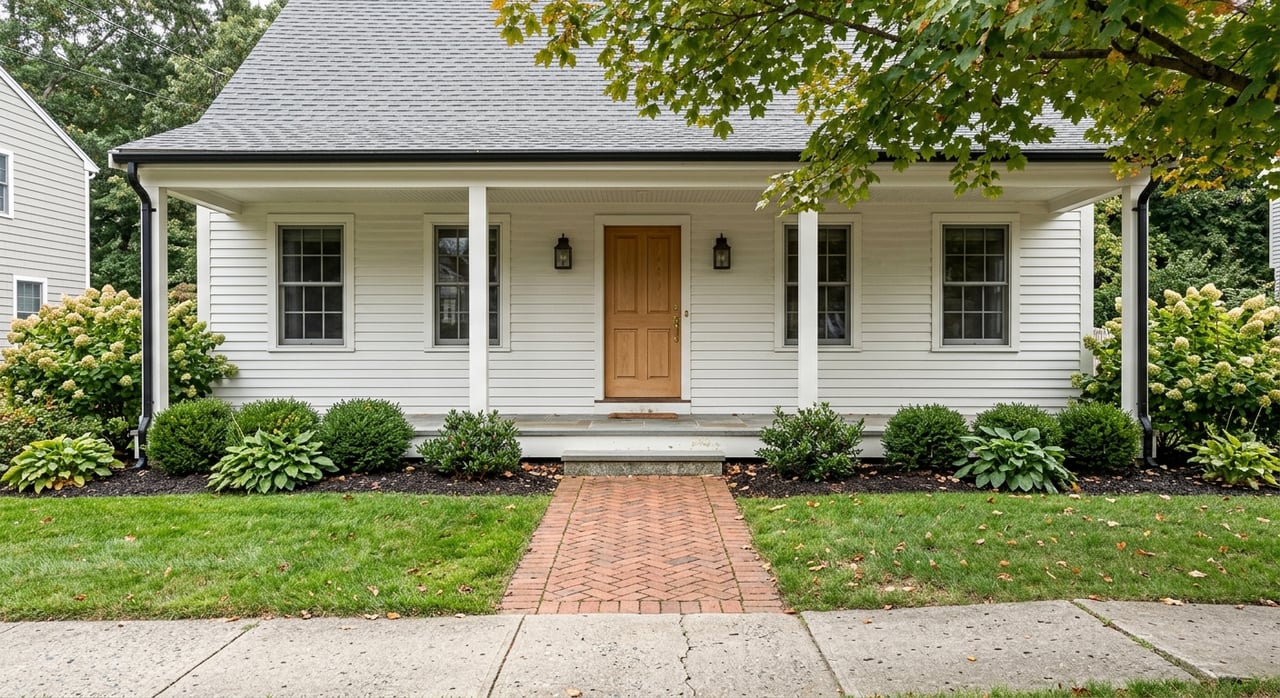
Buying In Hyde Park When You Want History And Convenience
June 18, 2026
June 18, 2026
If you love the idea of living near historic homes, landmark estates, and a classic Hudson Valley setting, Hyde Park deserves a close look. At the same time, you probably do not want charm at the expense of everyday ease. The good news is that Hyde Park offers both, if you know where to look. Let’s dive in.
Hyde Park has a strong historic identity, but it does not function like a single compact village. The town’s planning documents point to the Town Center Historic District along Route 9 as the historic center and preferred primary growth area, while also identifying East Park, Haviland, St. Andrews, and Salt Point as additional village or business centers. For you as a buyer, that means convenience is spread out rather than packed into one downtown.
That layout matters when you start home shopping. You can find areas with quicker access to stores, services, and transit, while other parts of town feel more open and private. In other words, Hyde Park gives you options depending on how you want to balance history, errands, and space.
Hyde Park’s historic feel is not just a marketing phrase. The Roosevelt and Vanderbilt historic landscape is a major part of the town’s identity, with three national historic sites totaling more than 1,100 acres within about three miles of each other and drawing roughly 500,000 visitors a year. That creates a setting where history is visible in the landscape, streetscape, and overall character.
For buyers, this often means a mix of activity levels. Near the core and major destinations, you may notice more traffic and visitor activity. On quieter side streets and in outlying sections, the pace can feel more removed and residential.
If convenience is high on your list, focus your search near Route 9. Hyde Park’s practical day-to-day access is largely corridor-based, and that is where many services and transit connections are located. The town’s planning framework also treats this area as its primary growth center.
Dutchess County Public Transit Route C runs between Poughkeepsie and Tivoli through Hyde Park, Rhinebeck, and Red Hook. Current Hyde Park stops include places like Stop & Shop, Hyde Park Shopping Center, and the Hyde Park Reformed Dutch Church stop, with connections to the Poughkeepsie Train Station and Transit Hub. If you want easier errands or a simpler public transit routine, exact location near Route 9 can make a real difference.
That point is even more important because low-ridership Route 9G service in Hyde Park was eliminated in 2024. So while Hyde Park offers bus access, it is stronger near Route 9 than in quieter side corridors. When you compare homes, the block and road network may matter just as much as the town name.
For many buyers, convenience also means commute flexibility. Hyde Park’s mean travel time to work is 28.7 minutes, which gives useful context for how the town fits into everyday routines. If you need rail access, the nearby Poughkeepsie Metro-North station is the key connection point.
According to the MTA, Poughkeepsie station includes elevators, a ramp, tactile warning strips, audiovisual passenger information, ticket machines, a waiting area, restrooms, and connections to Amtrak and Dutchess County Public Transit. That makes Hyde Park a practical option if you want a historic Hudson Valley setting with access to a well-equipped rail station nearby.
Hyde Park appeals to buyers who want either a true older home or a newer-feeling property surrounded by historic character. The town’s core design standards emphasize traditional architecture, including Dutch Colonial Revival, Federal, Greek Revival, Carpenter Gothic, Gothic Revival, Italianate, and Queen Anne influences. In plain terms, Hyde Park values its historic look and actively protects that visual character.
You can see that clearly in local landmarks and historic districts. The Main, Albertson & Park Place Historic District includes more than thirty wood-framed dwellings and outbuildings dating from roughly 1840 to 1895, with late Federal, Greek Revival, Gothic, and Italianate styles. Other local sites, such as the Hyde Park Reformed Dutch Church complex, Bard Infant School and St. James Chapel, Wales House, the Hyde Park Railroad Station, and the Hyde Park Firehouse, show just how varied the architectural character can be.
For you, that can translate into several different buying paths:
The best Hyde Park purchase is usually the one that fits your lifestyle, not just your taste. It is easy to fall for curb appeal, mature trees, or a classic facade. But if convenience matters, you should weigh that charm against your daily routine.
Ask yourself a few simple questions as you narrow the search:
In Hyde Park, those tradeoffs are very real. Homes closer to the Route 9 core often offer the strongest blend of character and practicality, while homes farther out may offer a quieter setting with less walkable or transit-friendly access.
If you are considering an older home in Hyde Park, due diligence matters. Because much of the documented housing stock dates to the 19th century or earlier, it is smart to verify system condition, prior updates, and whether additions or exterior changes were completed with proper approvals. In a town where preservation is an important planning value, those details can affect both your budget and your future plans.
This does not mean older homes should scare you off. It simply means you should approach them with clear eyes and good information. Historic charm can be incredibly rewarding, but you want to understand what has been updated and what may still need attention.
If you hope to add onto a home, convert a garage, or make major exterior changes, you should expect local review steps may apply. Hyde Park’s Zoning Board of Appeals process notes that requests for new structures, changes to existing structures, and changes in property use are first reviewed by the Town’s Code Enforcement Officer and may then move into variance review if needed.
That makes pre-purchase planning especially important. A home that seems perfect today may be less flexible if your future renovation goals run into zoning or approval issues. Before you buy, it helps to understand not just the home itself, but also what the town may require for your intended use.
Utility setup is another area where Hyde Park buyers should slow down and verify details at the parcel level. The town’s Route 9 sewer-district report notes that properties in that corridor have historically relied on on-site treatment systems and that many septic systems in that specific study area are old or underperforming. That report does not apply to the entire town, but it is a useful reminder that utility patterns can vary.
Hyde Park also posts current water and wastewater notices for regional systems, which reinforces the need to confirm service details for any home you are considering. You do not want to assume two homes a short distance apart have the same infrastructure. In Hyde Park, that kind of detail can have a big impact on convenience, upkeep, and future costs.
One of Hyde Park’s biggest strengths is that it can change quickly from active corridor to quiet green space. The comprehensive plan describes Route 9 south of St. Andrews Road as largely green space, which helps explain why privacy often increases as you move away from the commercial spine. If you want room to spread out, Hyde Park can offer that without losing its broader connection to the Hudson Valley corridor.
The town also highlights 34 miles of trails across national parks, state parks, town parks, land-trust preserves, and private easements, along with parks and river access. So convenience here is not only about stores and commuting. It can also mean easy access to outdoor space and scenic settings that shape your day-to-day quality of life.
Hyde Park can be a great fit if you want history without giving up practicality. It works especially well for buyers who appreciate classic architecture, want access to Route 9 services, or need a manageable connection to Poughkeepsie and regional transit. It can also suit buyers who prefer more privacy, as long as they go in knowing that distance from the corridor may reduce transit and errand convenience.
The key is to shop with a clear plan. In Hyde Park, the best home is rarely just about square footage or style. It is about how well the location supports the way you actually live.
If you are weighing Hyde Park against other Dutchess County options, having a local guide can make the search much easier. With decades of experience in Dutchess County and a practical understanding of how neighborhoods, hamlets, and corridor locations affect daily life, Debra Allan can help you find the right balance of history, convenience, and long-term value.
I am ready to work with you to help you sell or buy a home! So whether you are a first time buyer, relocation buyer, investor, moving up or downsizing...I am ready to roll up my sleeves to go to work for you! Make your next move with Debbie Allan!