Condo, Townhome Or House In Poughkeepsie? How To Choose
April 23, 2026
April 23, 2026
Wondering whether a condo, townhome, or house makes the most sense in Poughkeepsie? You are not alone. Many buyers start with price, but the better question is how each option fits your monthly budget, maintenance comfort level, and long-term plans. If you understand those tradeoffs before you tour homes, you can make a much more confident decision. Let’s dive in.
In Poughkeepsie, your options are not always evenly available. According to the Town of Poughkeepsie housing data, detached single-family homes make up about 62% to 67% of the housing stock, while attached homes such as townhomes account for about 3%.
That matters because your search experience may feel very different depending on what you want. If you are shopping for a condo or townhome, you are looking at a smaller slice of the local inventory, which can affect timing, choice, and competition.
The broader market is still somewhat competitive. Redfin’s March 2026 Poughkeepsie market snapshot reported a median sale price of $360,250, average days on market of 71, and about 3 offers on average.
A lower purchase price can be appealing, especially if you are trying to keep your upfront costs manageable. In Dutchess County, the Q1 2026 OneKey MLS report showed a median sales price of $495,000 for single-family homes and $308,750 for condos.
That price gap is real, but it does not tell the whole story. Your true monthly cost should include principal, interest, taxes, insurance, and any HOA or condo dues, as explained in Fannie Mae’s guide to homeownership costs.
The Consumer Financial Protection Bureau also notes that condo fees and HOA dues are usually paid separately from your mortgage and can range from a few hundred dollars a month to more than $1,000. In other words, a condo that looks cheaper on paper may not always feel cheaper month to month.
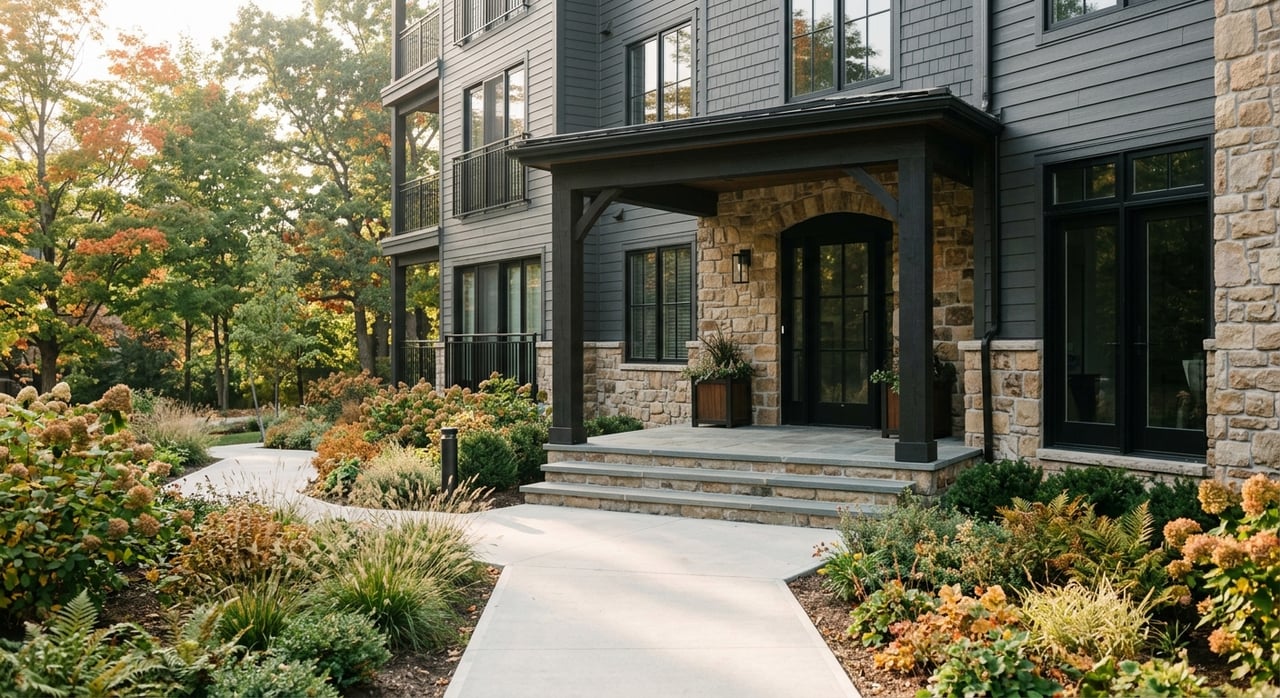
A condo usually means you own your individual unit while shared areas are owned collectively by the community. Fannie Mae’s condo overview explains that monthly condo fees may cover exterior repairs, common areas, and sometimes services like water, sewer, trash, insurance, amenities, or reserve funding.
For many buyers, that setup is attractive because it can reduce day-to-day maintenance. If you would rather spend less time worrying about exterior upkeep, snow removal, or shared-area care, a condo may feel simpler.
The tradeoff is control. Condo communities are usually governed by an association, and Fannie Mae notes in its HOA guide that rules can affect exterior changes, landscaping, and some structural modifications.
Insurance is another point to check carefully. Depending on the association’s master policy, you may need HO-6 coverage for parts of the interior, so it is smart to review exactly what is and is not covered before you buy.
A condo may be a strong fit if you:
Townhomes often sit in the middle ground between a condo and a detached house. They can offer a house-like layout, often with multiple levels, while still being part of a shared community structure.
The important thing to know is that “townhome” describes a building style, not always the legal ownership structure. As Fannie Mae explains in its condo guidance, some townhomes are legally condos, while others are part of planned unit developments with different ownership and maintenance rules.
That means you should not assume what is included. You need to review the CC&Rs, bylaws, and association documents to confirm who maintains the roof, siding, exterior grounds, and common areas.
In HOA-governed attached communities, Fannie Mae says in its PUD eligibility rules that membership and assessments are typically mandatory. That can be perfectly workable, but you want full clarity before you commit.
A townhome may be a strong fit if you:
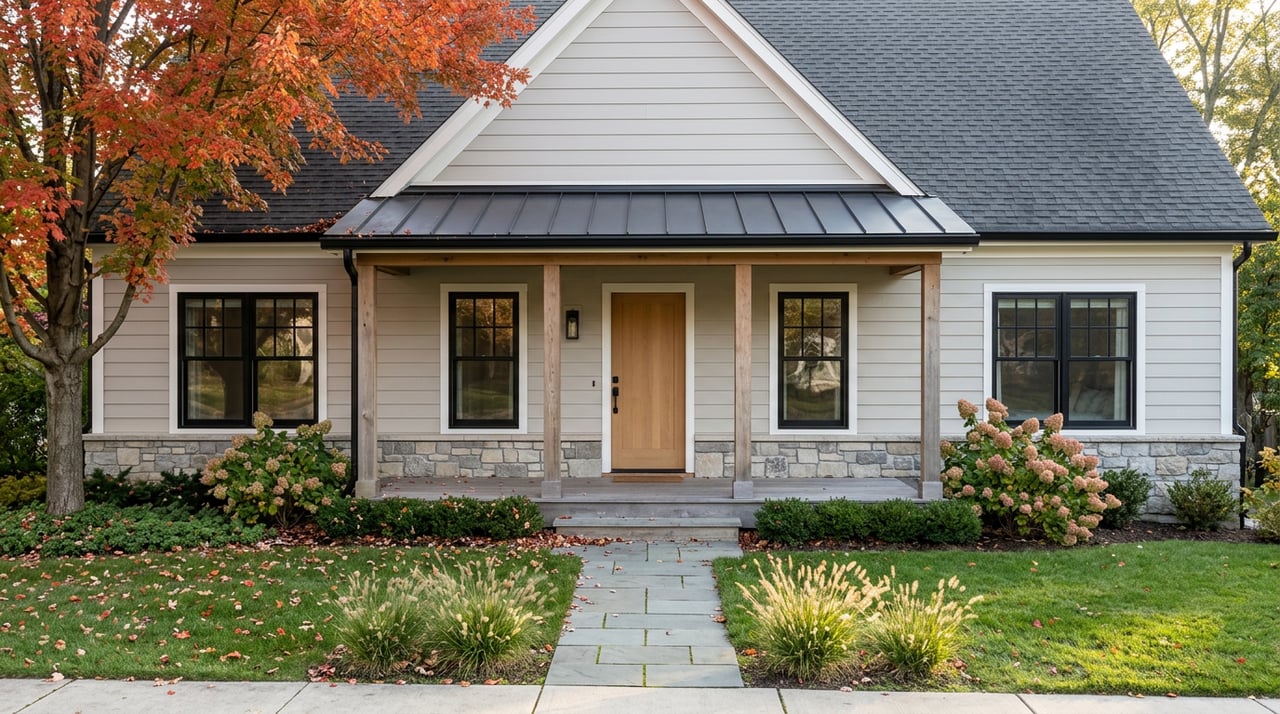
A detached house usually gives you the most direct control. You are generally making more of the decisions about the property, and you are not typically sharing walls or common ownership structures in the same way you would with a condo.
That extra freedom can be appealing if you want more privacy, yard space, or flexibility over time. It also fits the local market, since detached homes remain the dominant housing type in Poughkeepsie.
The tradeoff is responsibility. Fannie Mae’s cost-preparation guide reminds buyers to budget not only for mortgage-related costs, but also for unexpected repairs and ongoing upkeep.
Some detached homes may still be part of communities with HOA dues, so it is wise to check that early. Even when there is no HOA, you should plan for maintenance reserves because the owner typically carries the full burden of repairs.
A detached house may be a strong fit if you:
If you are comparing condos and townhomes, association documents are not optional reading. They tell you what you own, what the association owns, what your dues cover, and what restrictions may apply.
Fannie Mae’s HOA resource notes that fees vary based on factors like location, age, condition, property value, and amenities. It also points out that buyers should review reserve funding because special assessments may be charged for major repairs, storm damage, or other one-time expenses.
That means a lower-maintenance lifestyle can still come with financial surprises if reserves are weak. Before you buy, make sure you understand the community’s budget health, recent projects, and any pending assessments.
In Poughkeepsie and throughout Dutchess County, property taxes are highly parcel-specific. According to Dutchess County Real Property Tax information, actual taxes should be checked on the tax roll or with the tax collector, and taxes may be paid to towns, villages, and school districts, while the City of Poughkeepsie handles its own tax collection and enforcement.
That is why two homes with similar list prices can have very different carrying costs. New York’s 2025 STAR savings table for Dutchess County also shows that exemptions can vary by municipality and school district.
If you are deciding between a condo, townhome, and house, always compare the full monthly number, not just the asking price. Taxes, dues, and insurance can narrow the gap or widen it quickly.
Another factor buyers sometimes overlook is financing complexity. With a detached house, underwriting usually focuses on the property and the borrower.
With a condo, the lender may also need to review the project itself. Fannie Mae’s Condo Project Manager exists because condo financing can require project-level review in addition to unit-level approval.
That does not mean condos are a bad choice. It simply means the process can be more document-heavy, so buyers should allow time for association paperwork and lender review.
The best choice usually comes down to four practical questions:
If you want the simplest upkeep, a condo may make sense. If you want a middle option, a townhome may be worth a close look. If you want the broadest control and are prepared for maintenance, a detached house may be the better fit.
In Poughkeepsie, the answer is rarely just about property type alone. It is about how the home works with your lifestyle, your finances, and the local inventory that is actually available.
If you want help sorting through those tradeoffs, working with a local expert can save you time and reduce surprises. With decades of experience in Dutchess County, Debra Allan can help you compare options, understand the local market, and move forward with confidence.


I am ready to work with you to help you sell or buy a home! So whether you are a first time buyer, relocation buyer, investor, moving up or downsizing...I am ready to roll up my sleeves to go to work for you! Make your next move with Debbie Allan!